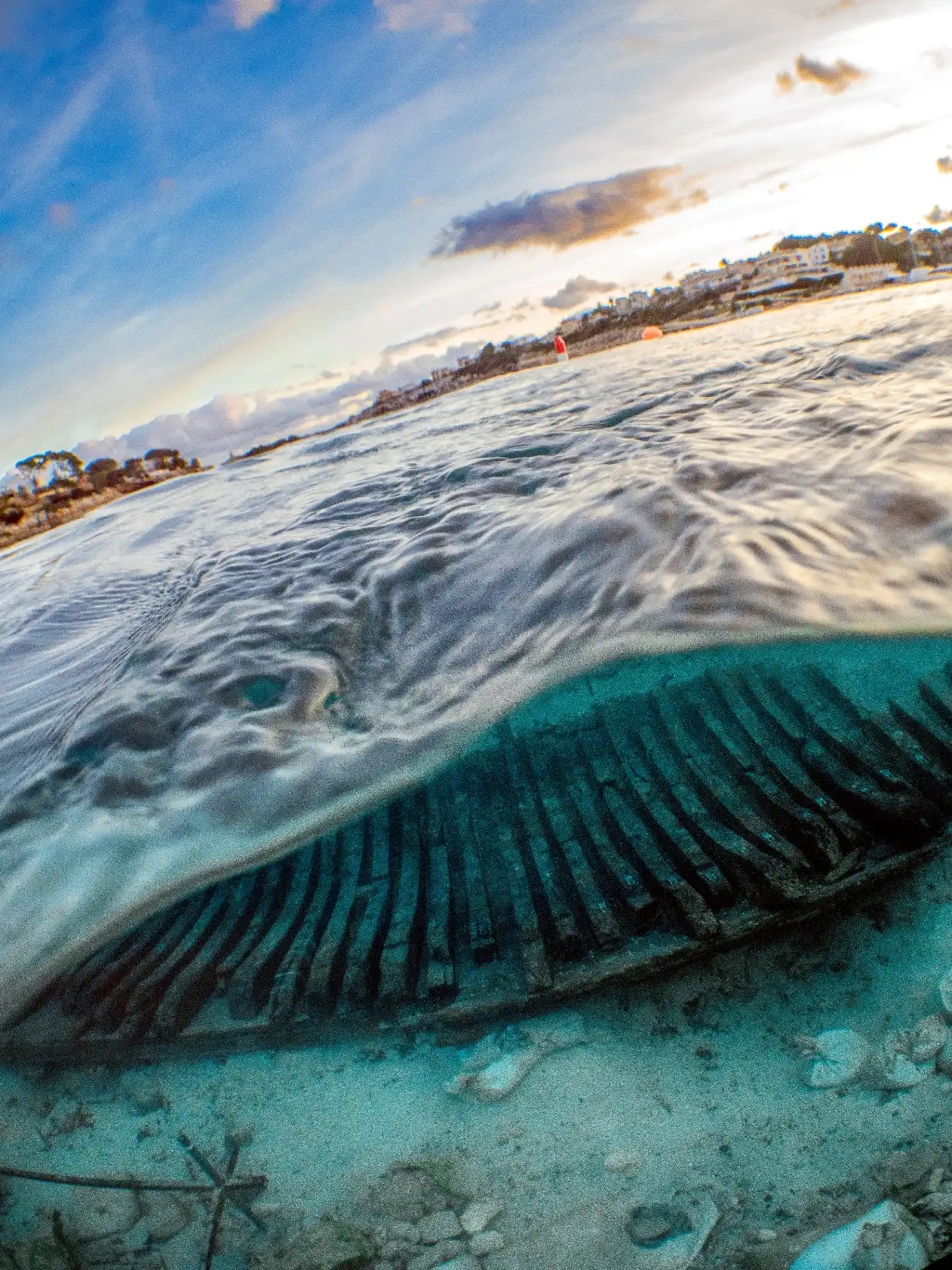
Underwater Conservation and Preservation at Ses Llumetes
The underwater site of Ses Llumetes, in Porto Cristo (Mallorca), is one of the most significant in-situ conservation projects in the western Mediterranean. Since 2014, conservators’ interventions have focused on the in-situ preservation of the Roman ship structure dating to the mid-1st century AD, in accordance with the principles of the 2001 UNESCO Convention on the Protection of the Underwater Cultural Heritage.
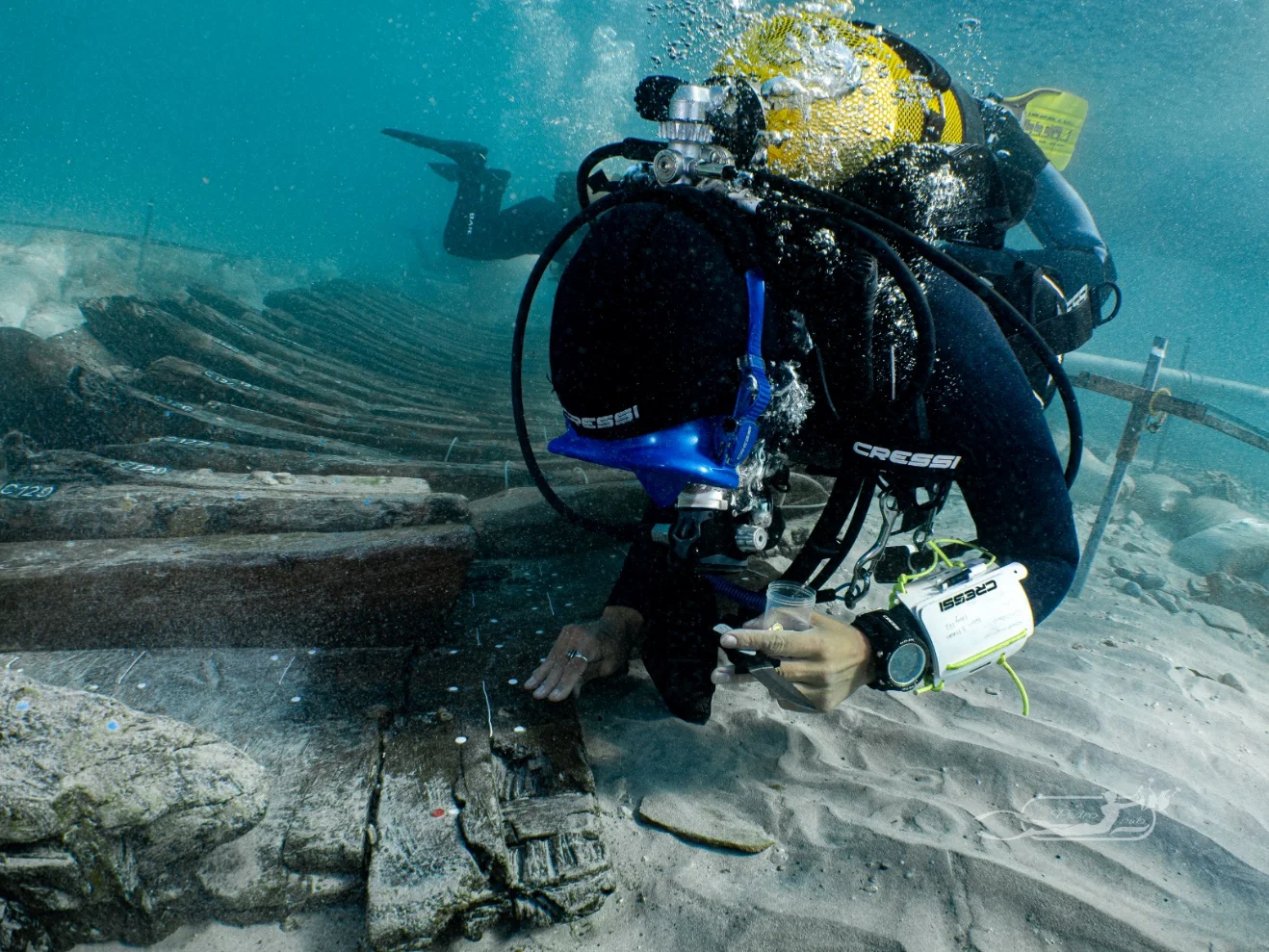
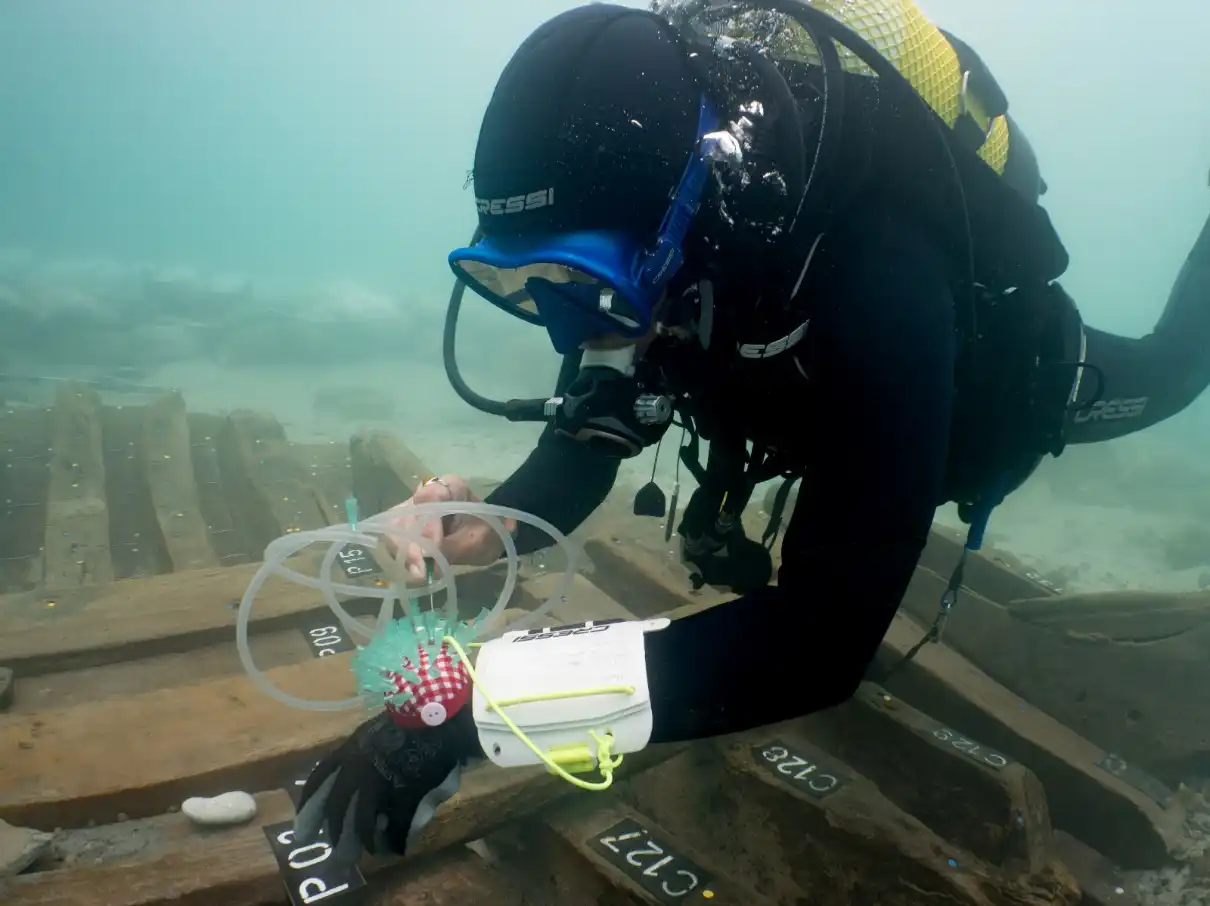
Interventions have included innovative techniques for the consolidation, stabilization, and in situ protection of the hull structures, using polyester resins, reusable sandbags, structural stitching with PVC cannulas (Figure 2-3), and protective coverings of textile mesh and sand layers, creating an anaerobic environment that slows natural decay. These solutions have proven to be reversible, cost-effective, and efficient against environmental and anthropogenic factors, allowing the preservation of archaeological timbers and associated materials in exceptional condition.
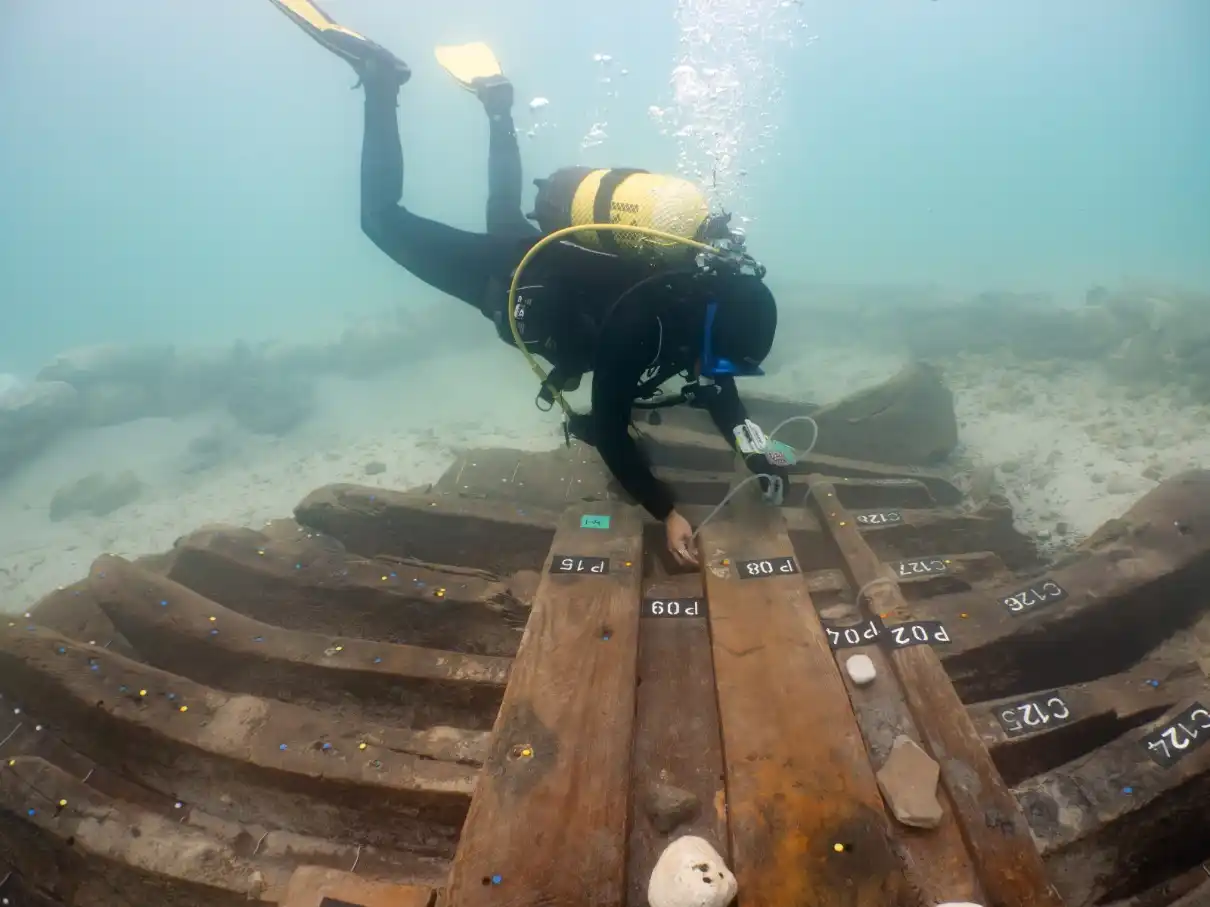
The Ses Llumetes project pushes forwartd viable and innovative restoration technologies towards creating a sustainable and economical conservation model, increasingly focused in recent years on reducing environmental impact by integrating sustainability criteria into every intervention. Thanks to international collaboration between the IBEAM and the University of Victoria (Canada), it has been possible to develop pioneering strategies that serve as a reference in other Mediterranean contexts, as evidenced by publications in the proceedings of the International Symposium of Conservation for Underwater Archaeology (ISCUA)
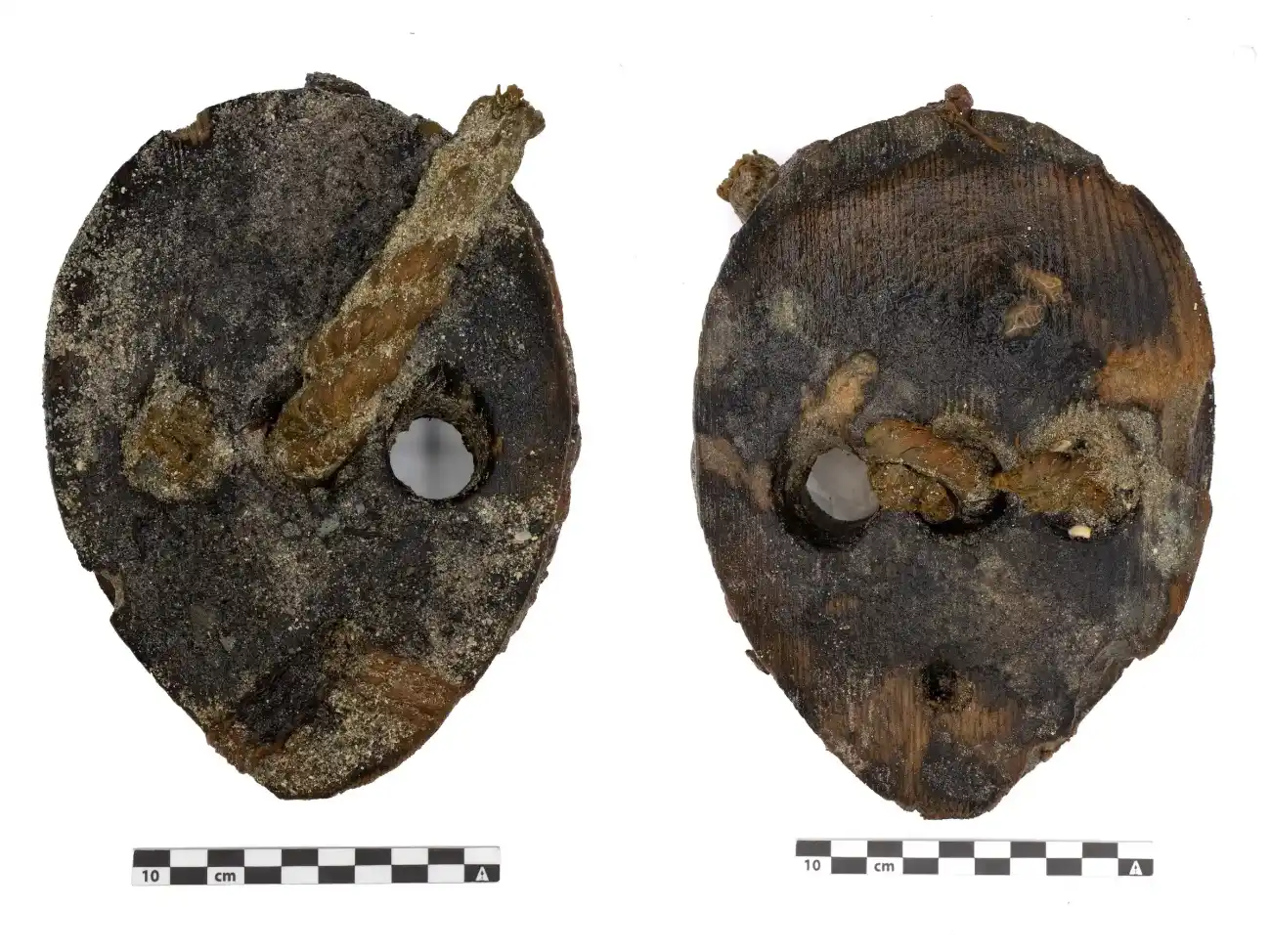
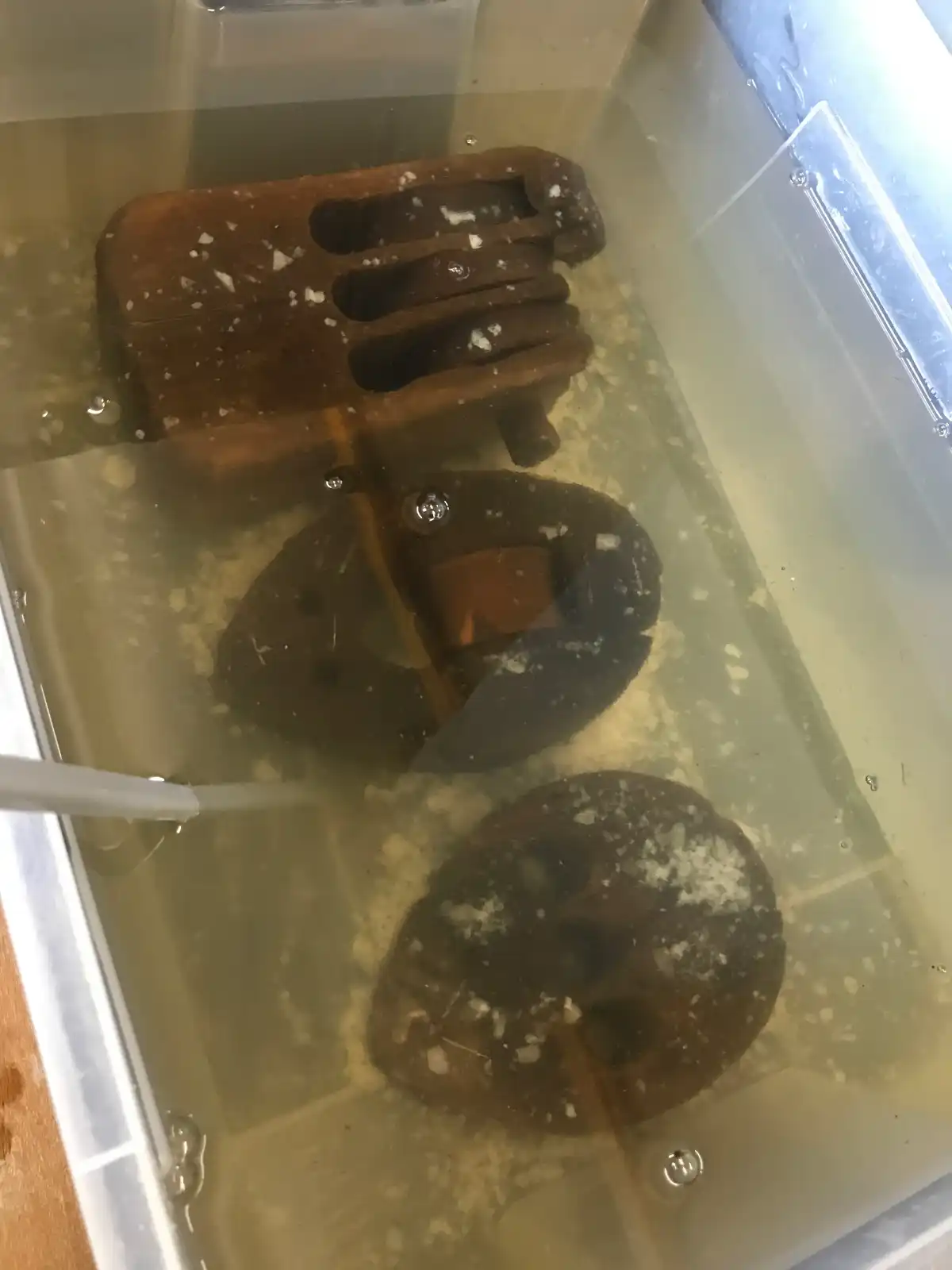
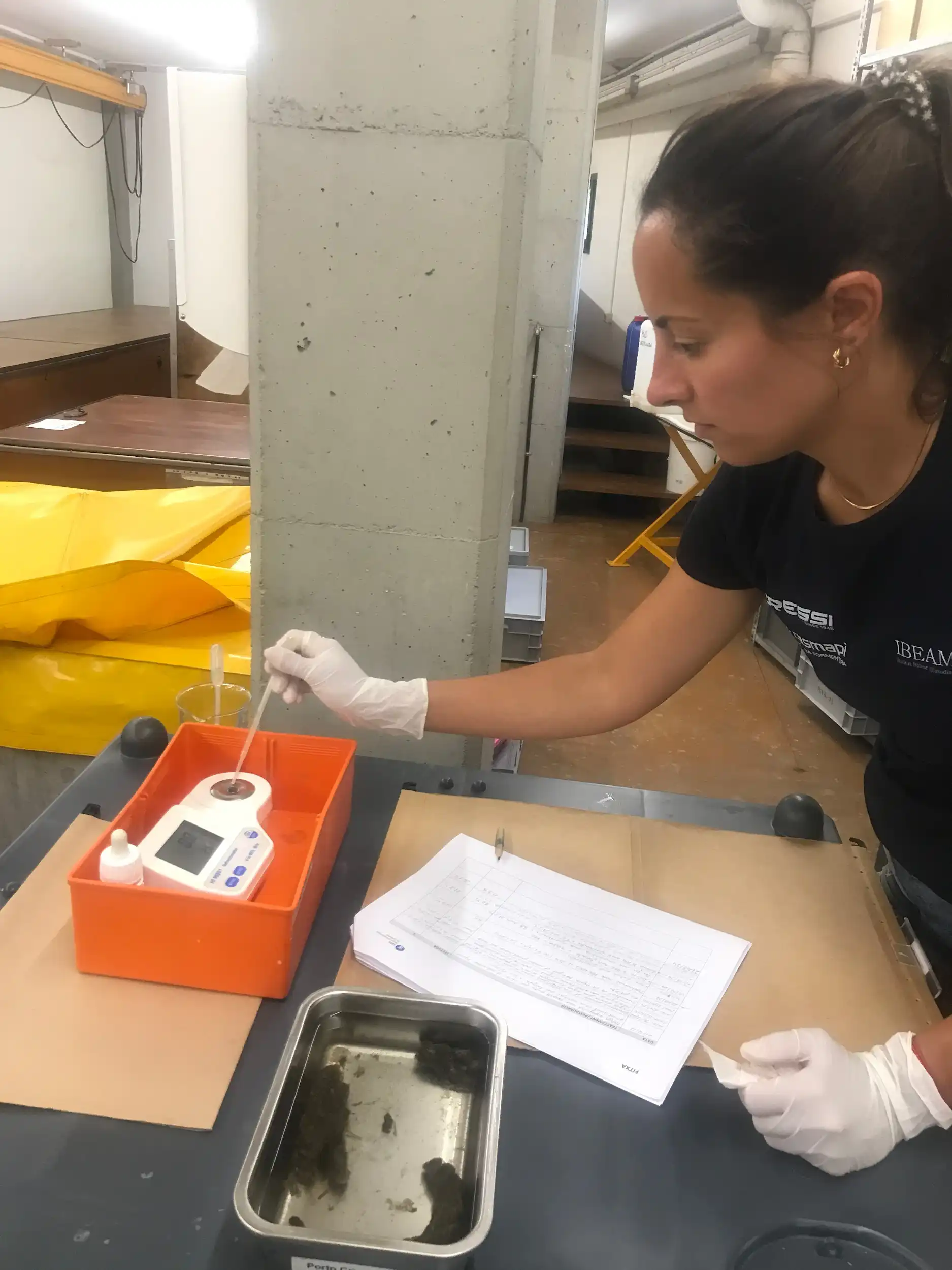
These objects were carefully documented, stabilized, and treated under strict conservation conditions. In the laboratory, the wooden objects underwent cleaning, desalination, and progressive consolidation with polyethylene glycol (PEG) (Figures 5-6), culminating in freeze-drying at the Centre for Underwater Archaeology of Catalonia (CASC), a technique that removes water without structural collapse and enables long-term preservation.
Thanks to these efforts, two of the treated pieces are part of the travelling exhibition entitled “Naufragis” by the la Caixa Foundation, which brings the value of the Mediterranean’s underwater cultural heritage to a broad audience, highlighting the importance of seafaring and its archaeological remains for understanding the evolution of humanity, as well as the advances in underwater archaeology showcased through several projects.
This project has only been possible through international public and private funding, with a prominent role played by our research project, generosluy founded by the The Social Sciences and Humanities Research Council (SSHRC), whose support has supported and enabled the development of pioneering in situ conservation measures. Nevertheless, it is essential to strengthen this commitment and increase investment in order to expand research in the cove of Porto Cristo and to continue restoring the recovered materials, thereby ensuring that this archaeological and cultural legacy is passed on to future generations.